What We Do and How
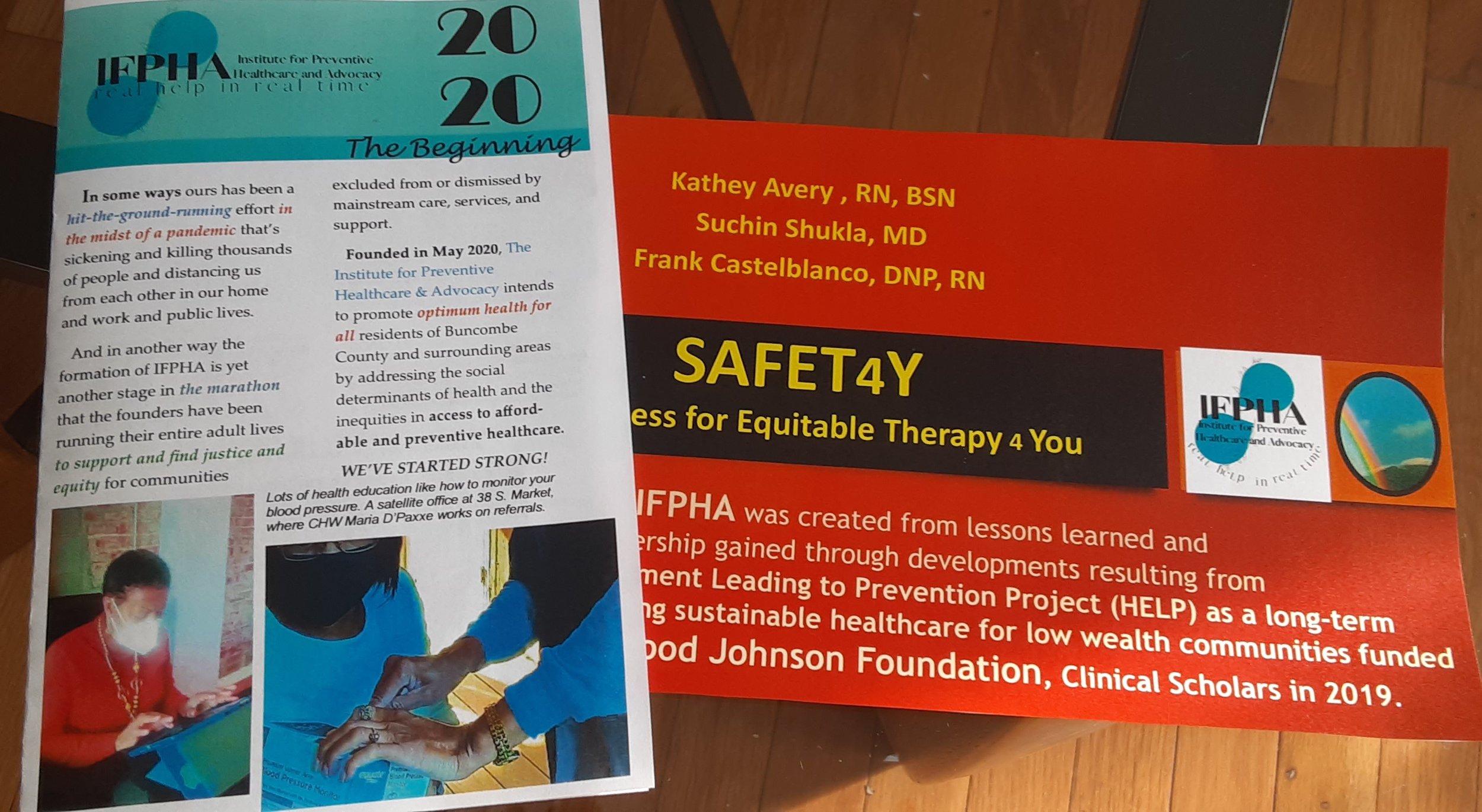
IFPHA is a door-to-door, real-help-in-real-time approach.
So, individualized, timely, on your turf.
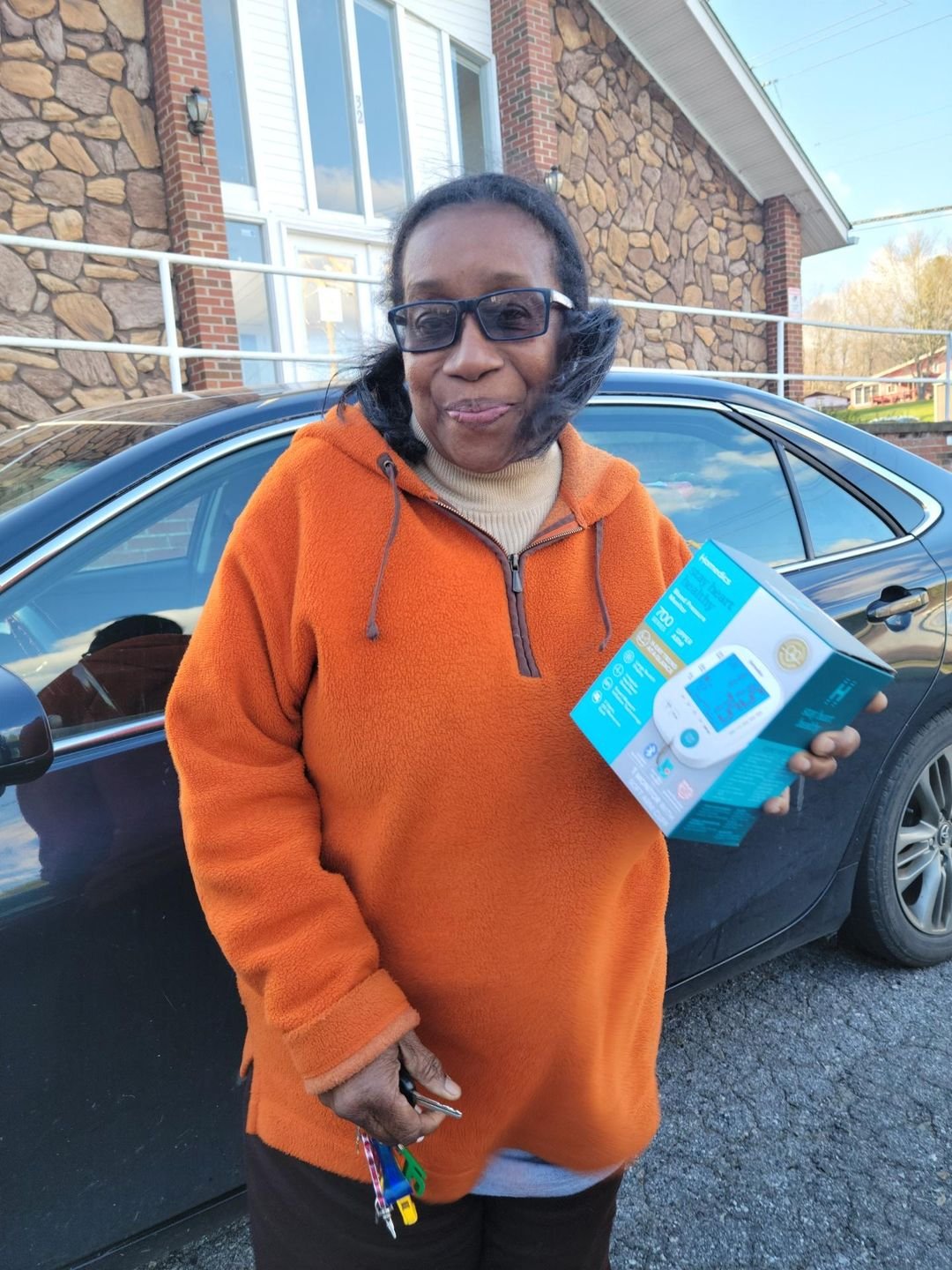
Do YOU need help managing a chronic ailment, or getting access to healthcare?
Do YOU need assistance with food, transportation, cleaning support, or housing (rent or utilities assistance - as funding allows)?
Let us know by clicking on the “Get HELP” button below and filling out the form.
Prevention Is
Our Main Goal
Prevention of illnesses is IFPHA’s main goal, which means as a Community Nurse, Kathey tailor’s health education around promoting healthy lifestyles, especially changing the health habits of our next generations and supporting lifestyle changes before a preventable illness of our adult population become chronic. Leo Babauta founder of Zen Habits stated changing habits is one of the most fundamental skills we learn, because it allows you to reshape your life. It can be transformational.
As a community nurse for IFPHA Kathey also knows once a habit is learned it is difficult to unlearn. For example, getting that cigarette out after you eat or whenever you feel anxious, or learning poor eating habits when you are young
How long does it take to unlearn a bad habit?
Since the brain doesn't distinguish between good and bad habits, and it's difficult for the brain to unlearn them, it can take an average of 30 to 60 days to actually break a habit, according to Kiana Shelton, LCSW from Mindpath Health. That's why consistency is key when trying to reach a desired goal. Our team works with individuals and groups for the long haul, building trust, helping them make small changes after giving them health education and effective ways to change their lifestyles to improve their health. We understand from our own health journeys how important health habits are when working to change our lifestyles.
Chronic Illness Management
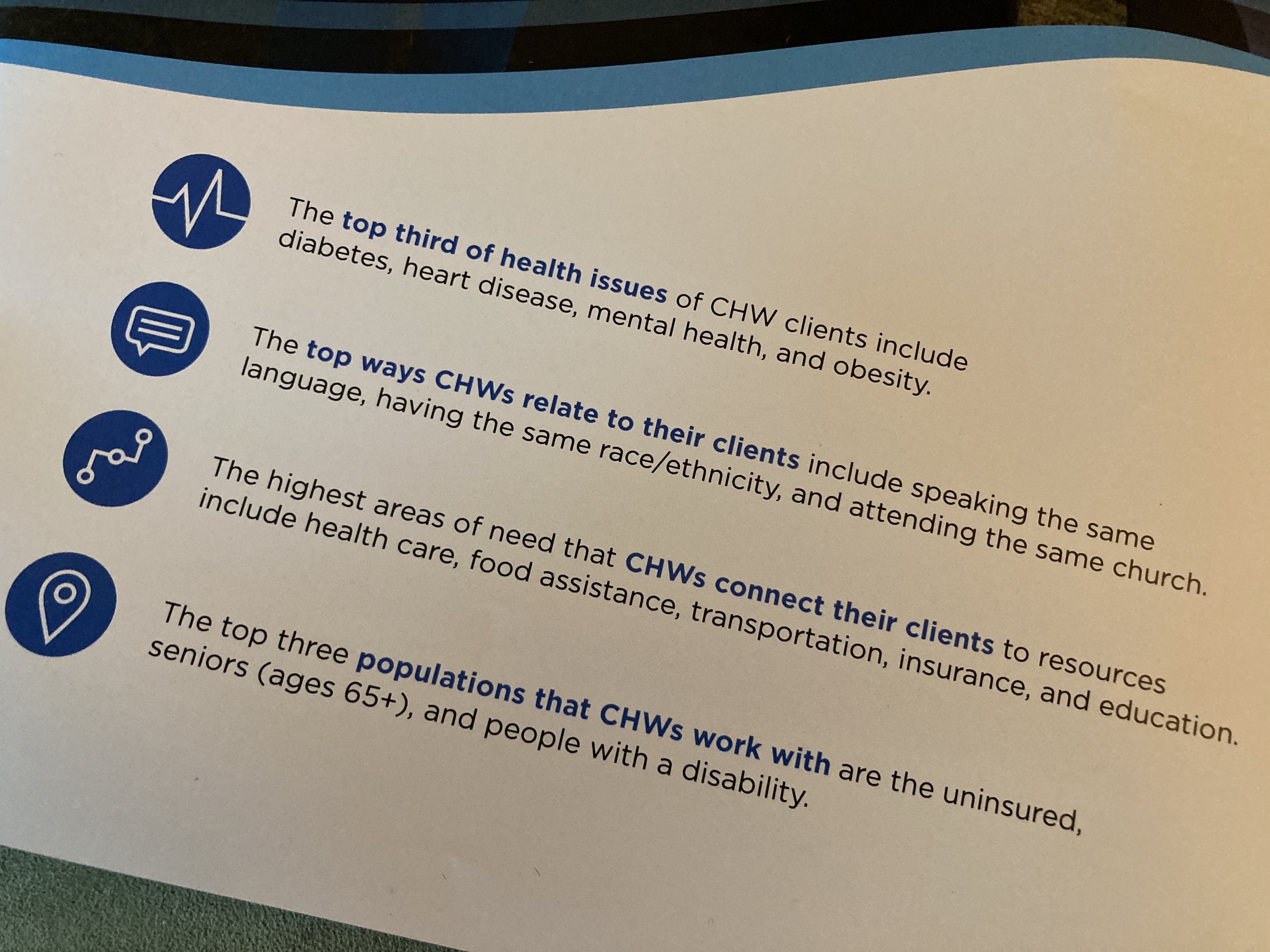
IFPHA’s team also knows that chronic illnesses start early and stay with a person throughout their life span. The leading cause of death and disability in the U.S according to Joe and Emily Lui Foundation is heart disease, cancer, stroke, type II diabetes and kidney disease. As a Community Nurse I am passionate about educating to help manage these chronic illnesses so individual can live their best life.
How does our team do this work?
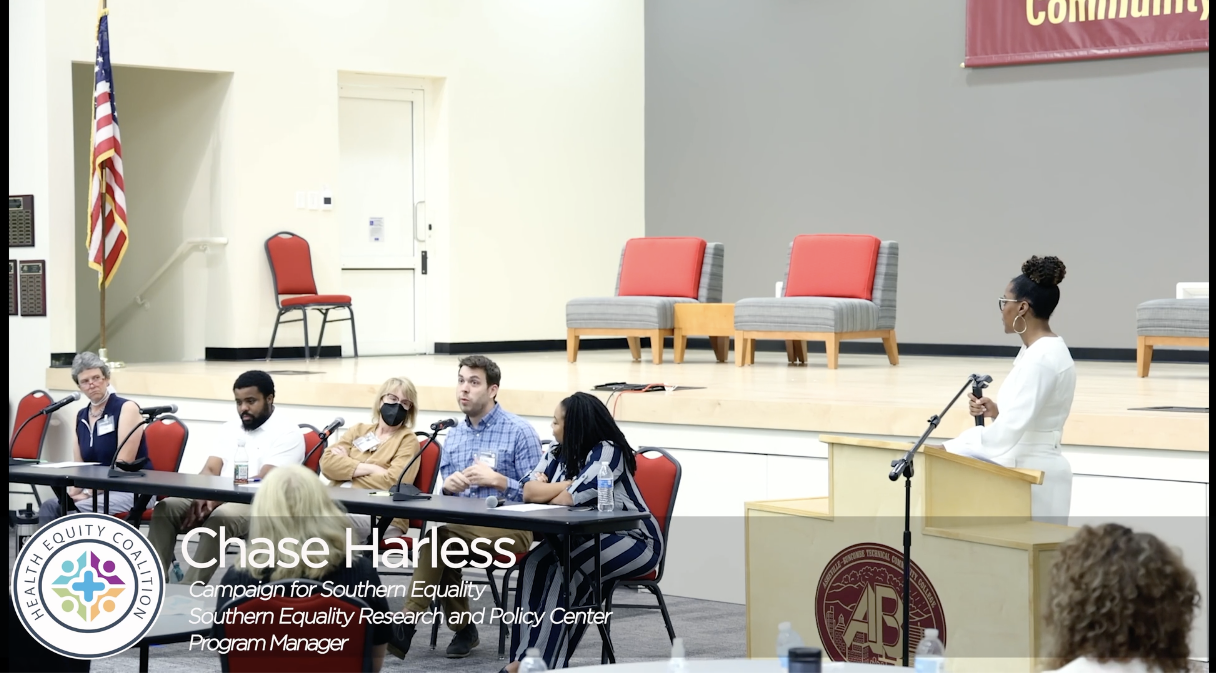
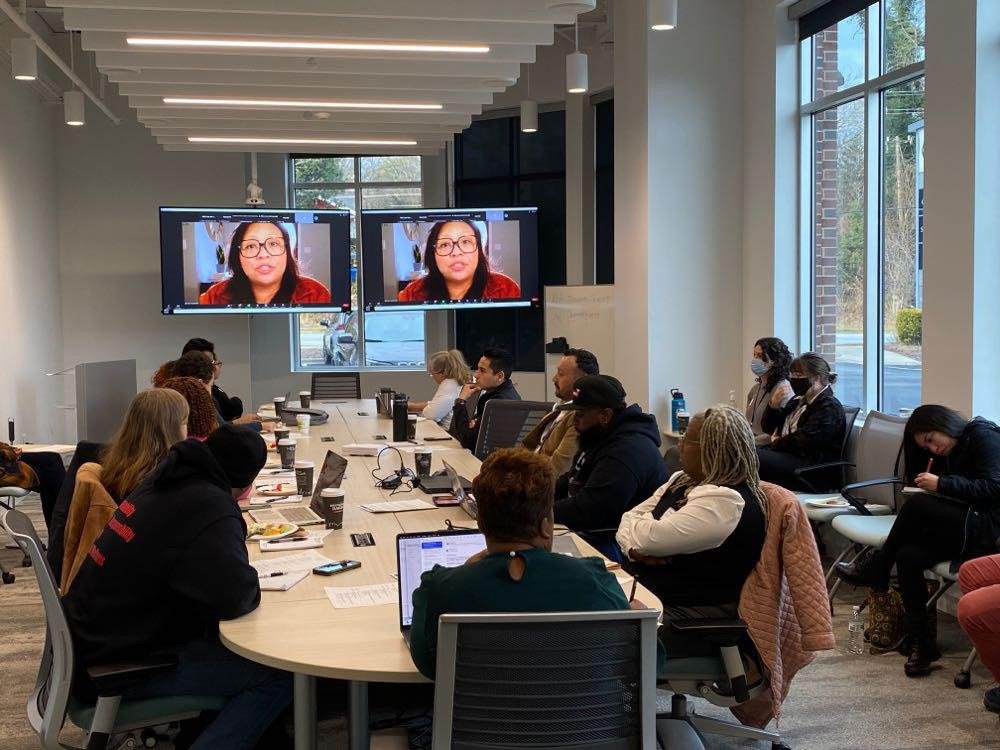
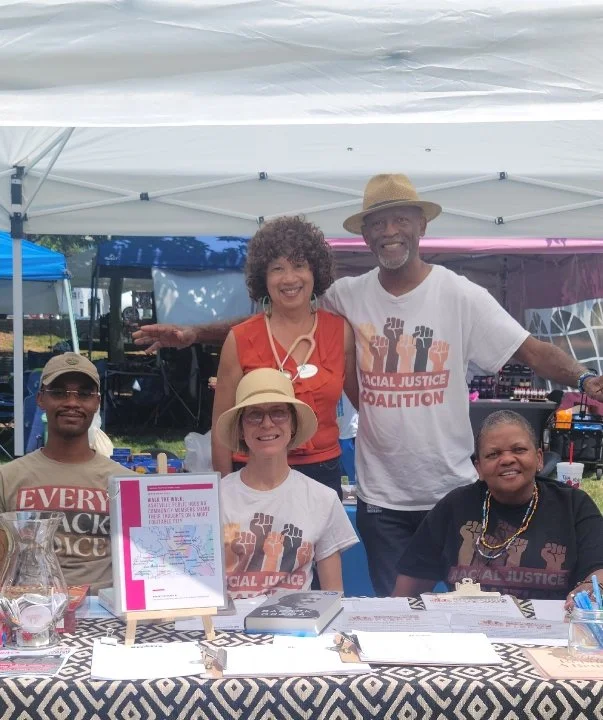
IFPHA does health education classes in the churches, public housing, affordable housing, community centers and even our “door to door” method of working with individuals directly. We provide resources ourselves but also collaborate and partner with other organizations for organizational efficiency, effectiveness, and for a greater impact than trying do this vital work along. It is important to make sure healthcare organizations don’t work in silos and are equitable, and inclusive when providing care.
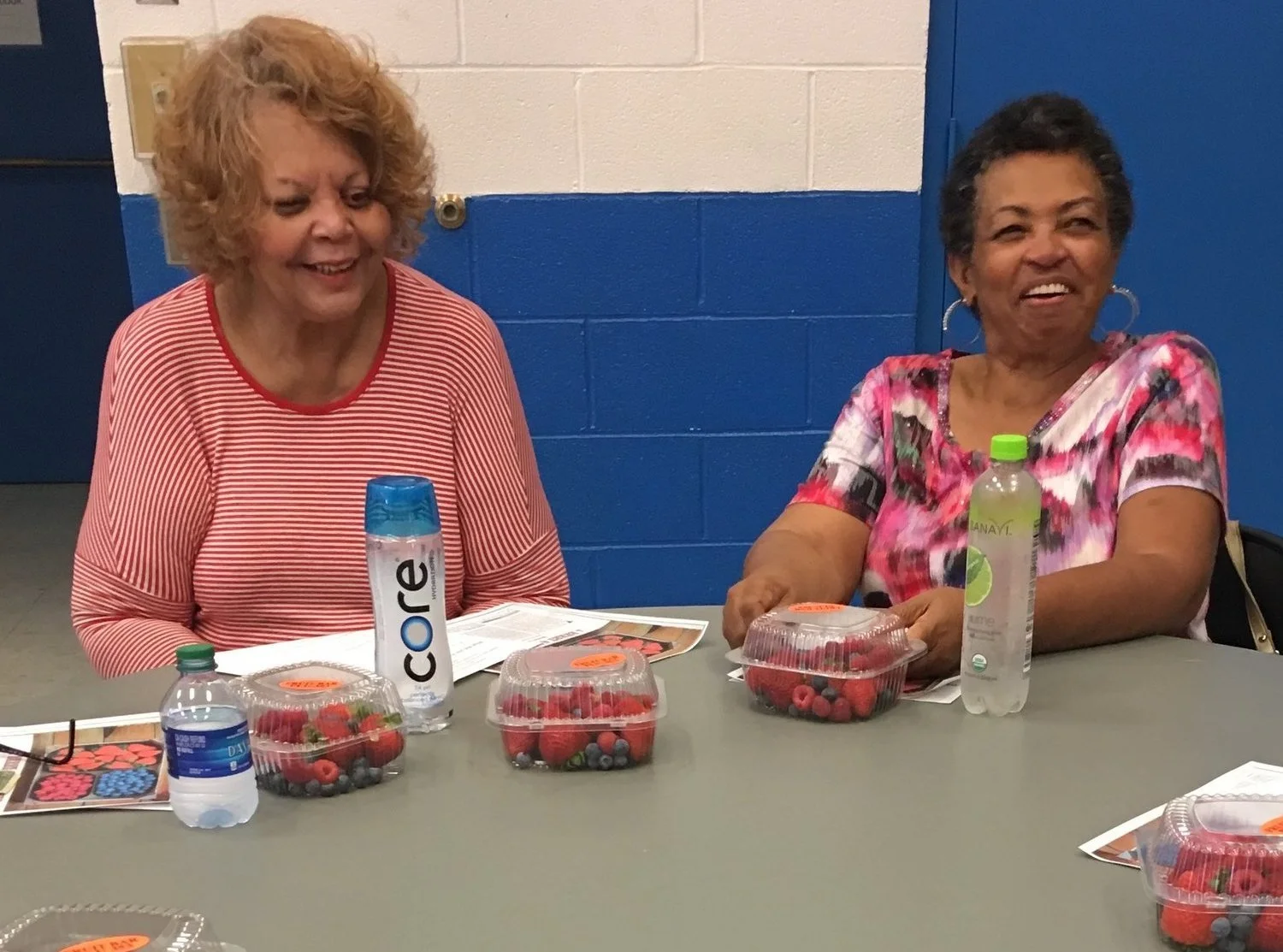
Our team takes the time to listen and address the needs of individuals to provide much more effective care. And example is after giving healthy education classes we know the price of fresh fruits and vegetables can be a barrier so with funding we provide those healthy food items. Our team knows many low-wealth communities and our seniors are on fixed incomes, or may not yet be ready are able to buy healthy food. Another example is we make sure individuals are able to get to the doctor, grocery store, and if needed we help them find a doctor.
IFPHA’s Community Nurse (Kathey) and IFPHA’s team hope this begins to let you know what we do to help our communities have a healthy, happy, and productive community.
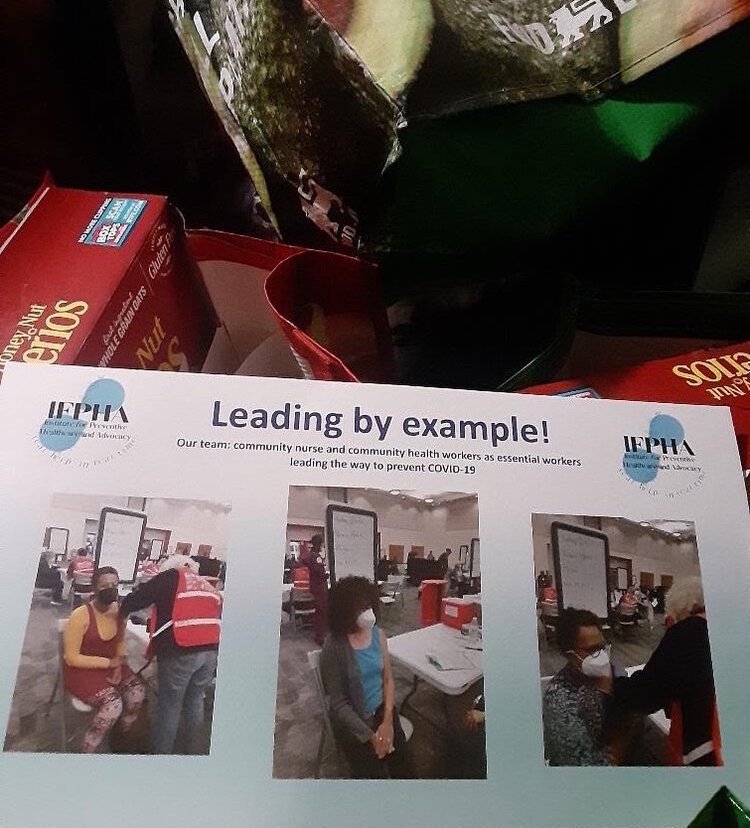
IFPHA continues helping residents with their ongoing COVID concerns and precautionary needs, especially those who are older or have compromised immune systems. As the pandemic has become endemic, we provide timely, accurate information to help keep everyone safe and well, address concerns and questions, and provide needed personal protective supplies. We also connect people to vaccination clinics and, when needed, get people to them, and we deliver free self-test kits.






Health Education
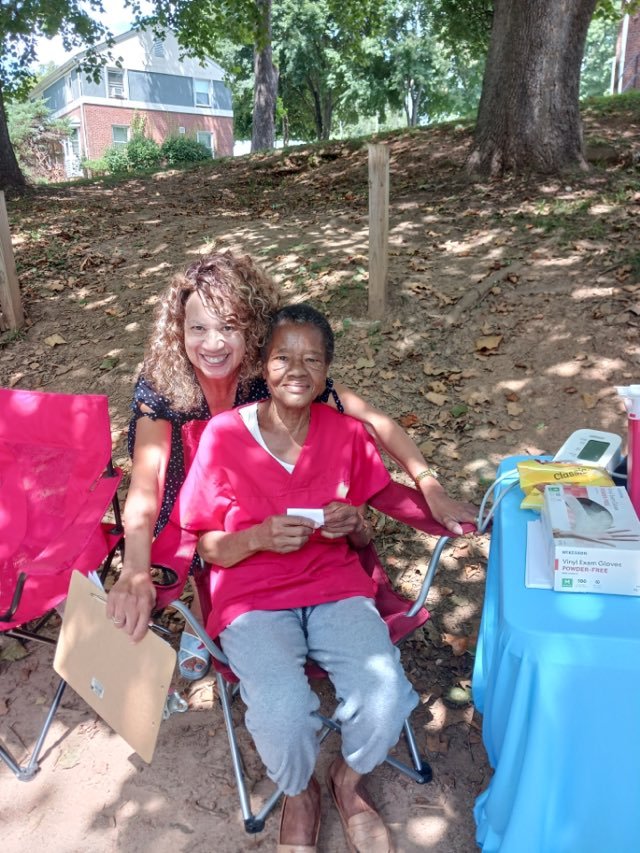
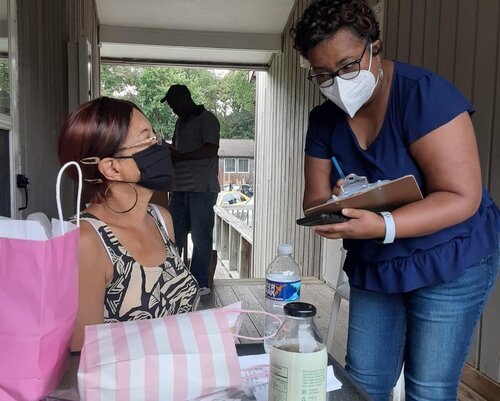
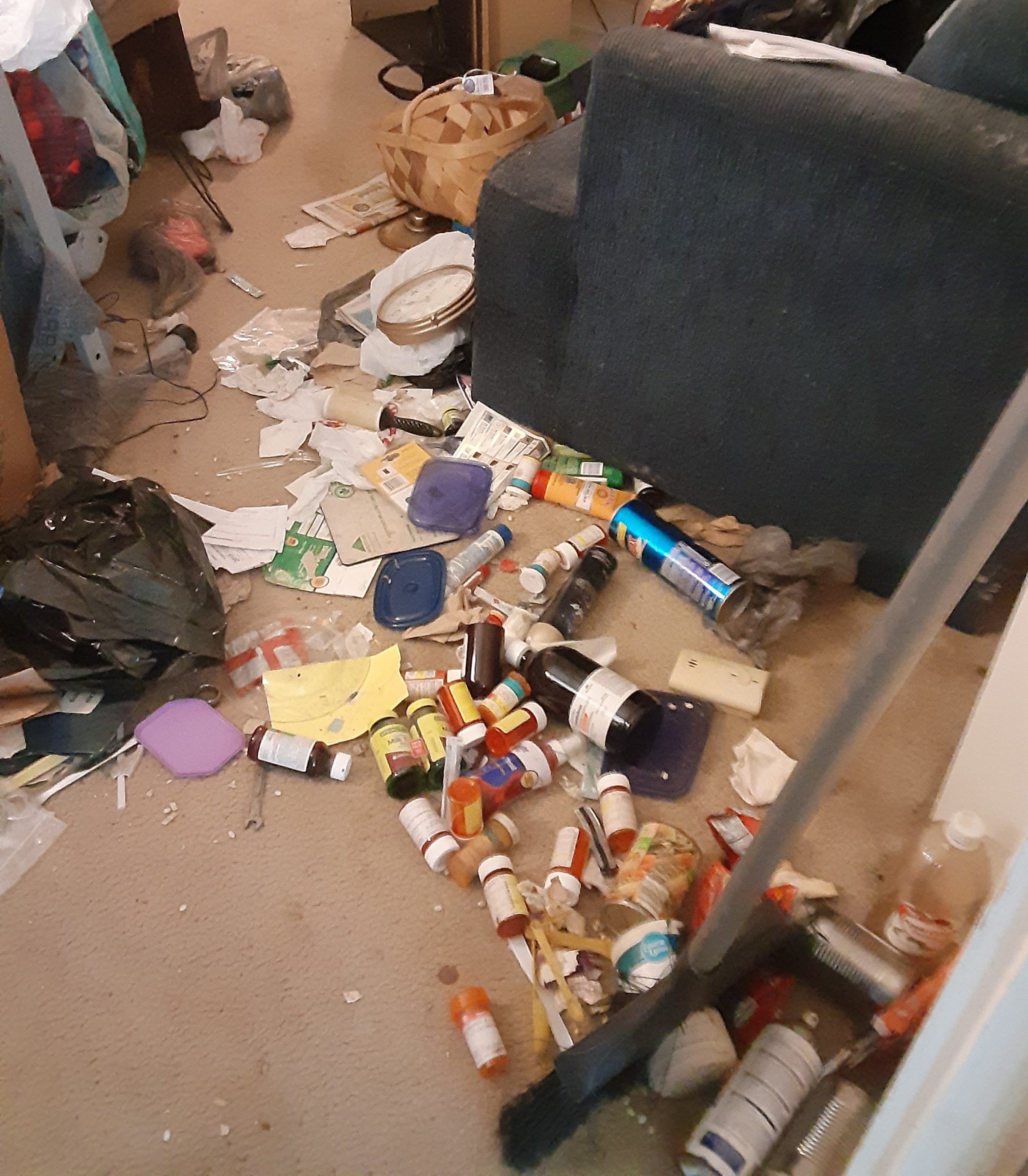
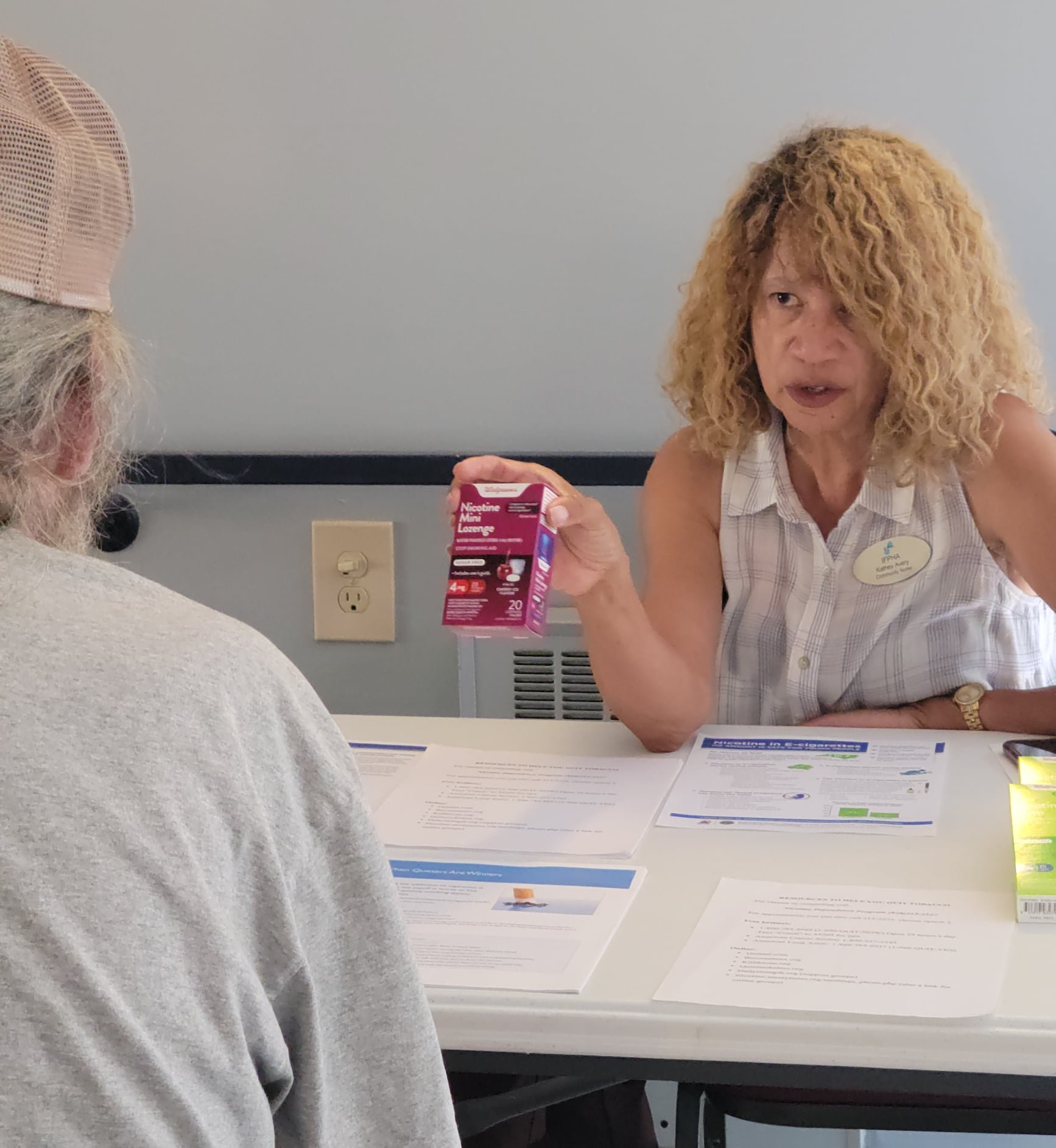
Education takes into consideration residents’ time, knowledge, and experiences. It focuses on conditions and ailments being experienced with emphasis on understanding them and effectively managing them. It is done individually or in small groups at community centers, such as our Lunch & Learns. Timely information is also distributed with monthly food bags. Topics range from healthy eating and diabetes management to quitting tobacco and substance use disorders. We help clients with cognitive issues manage medications and basic life skills and help assess their need for higher levels of care.



Healthy Food Outreach
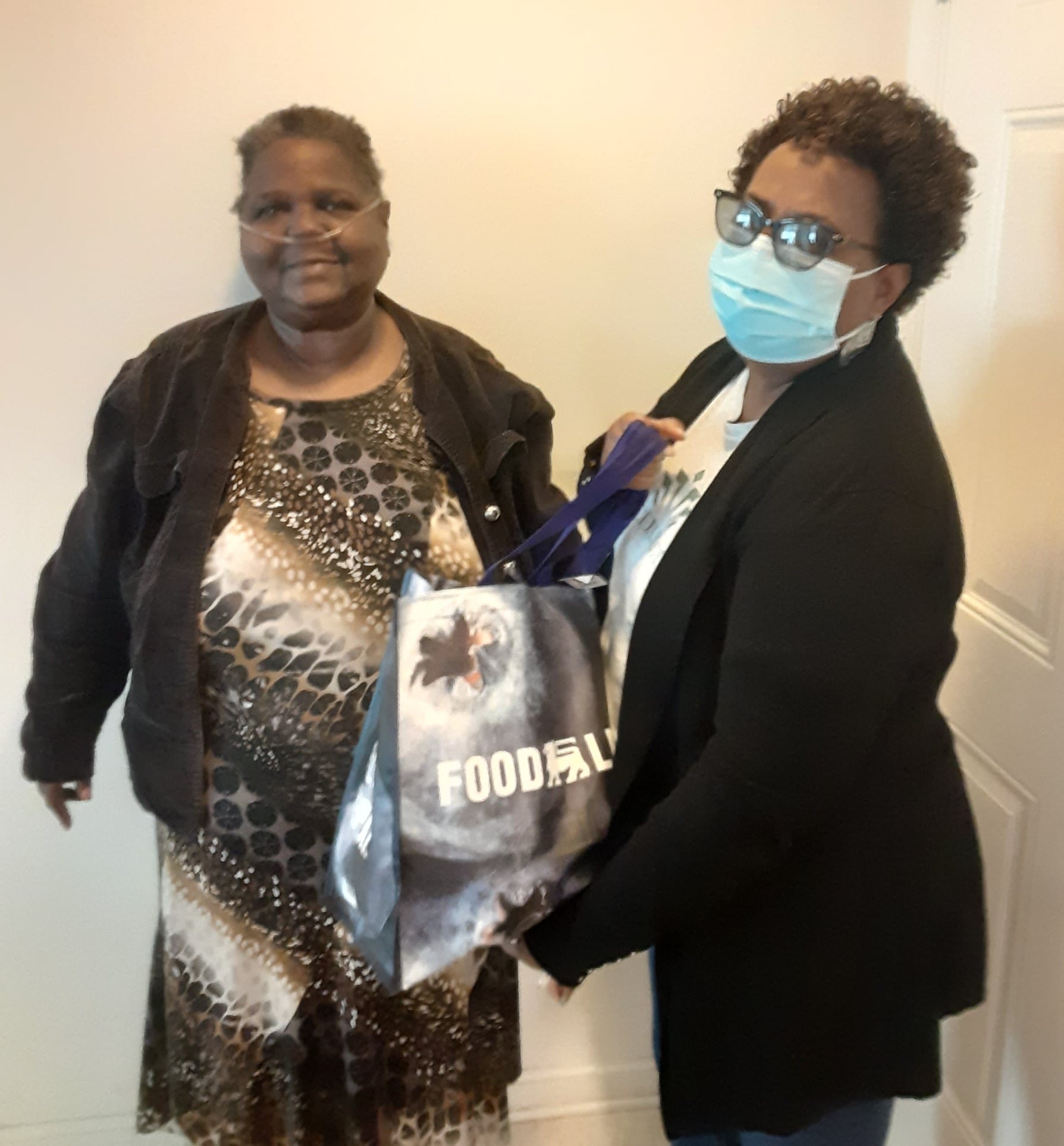
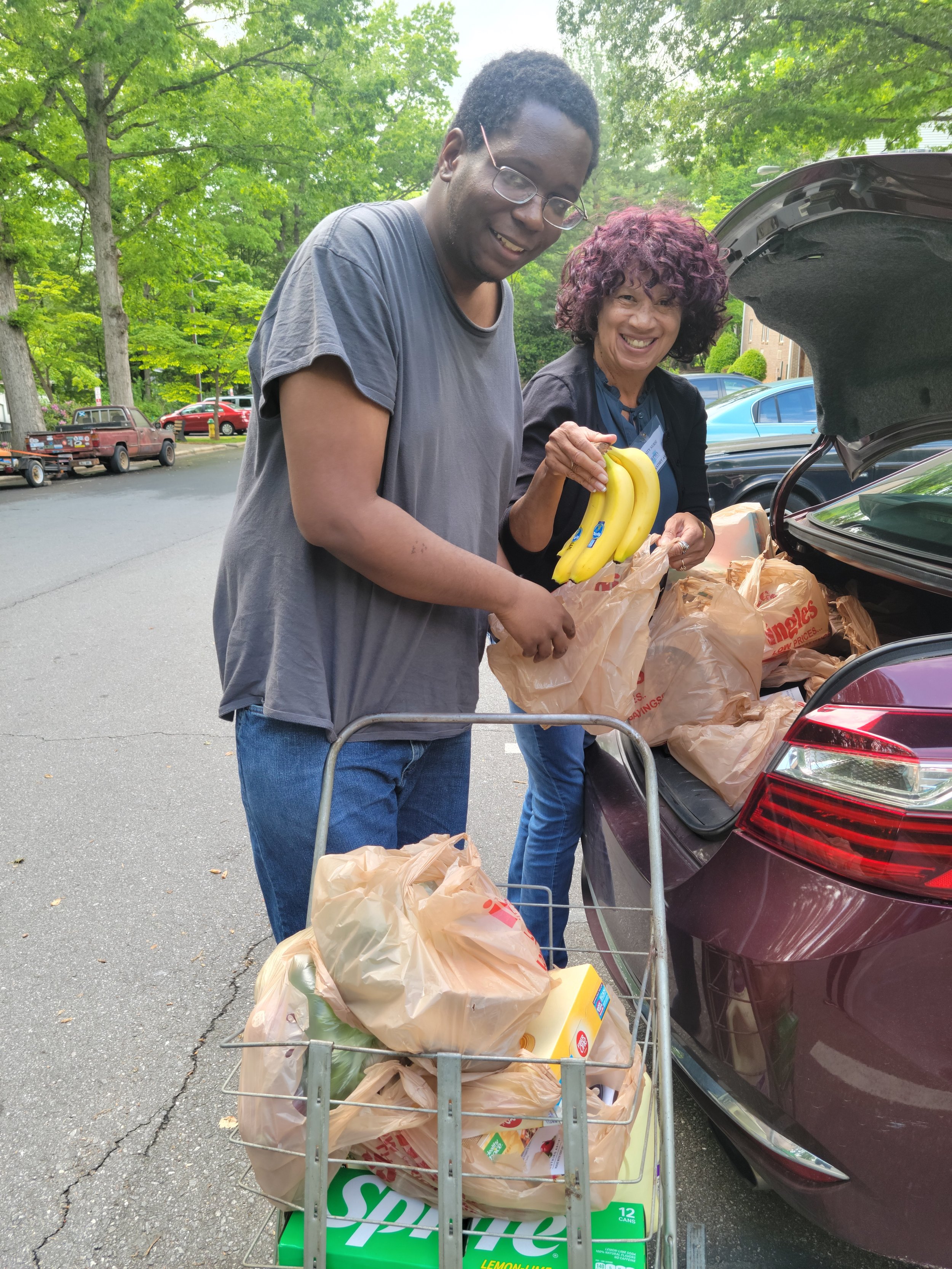
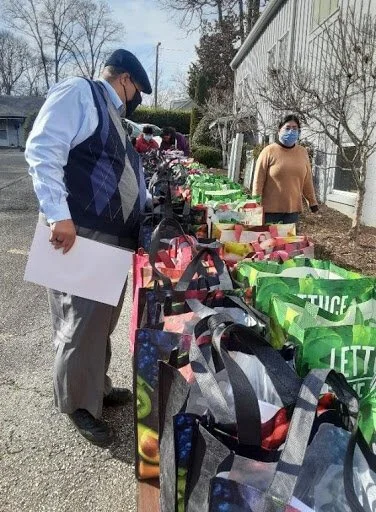
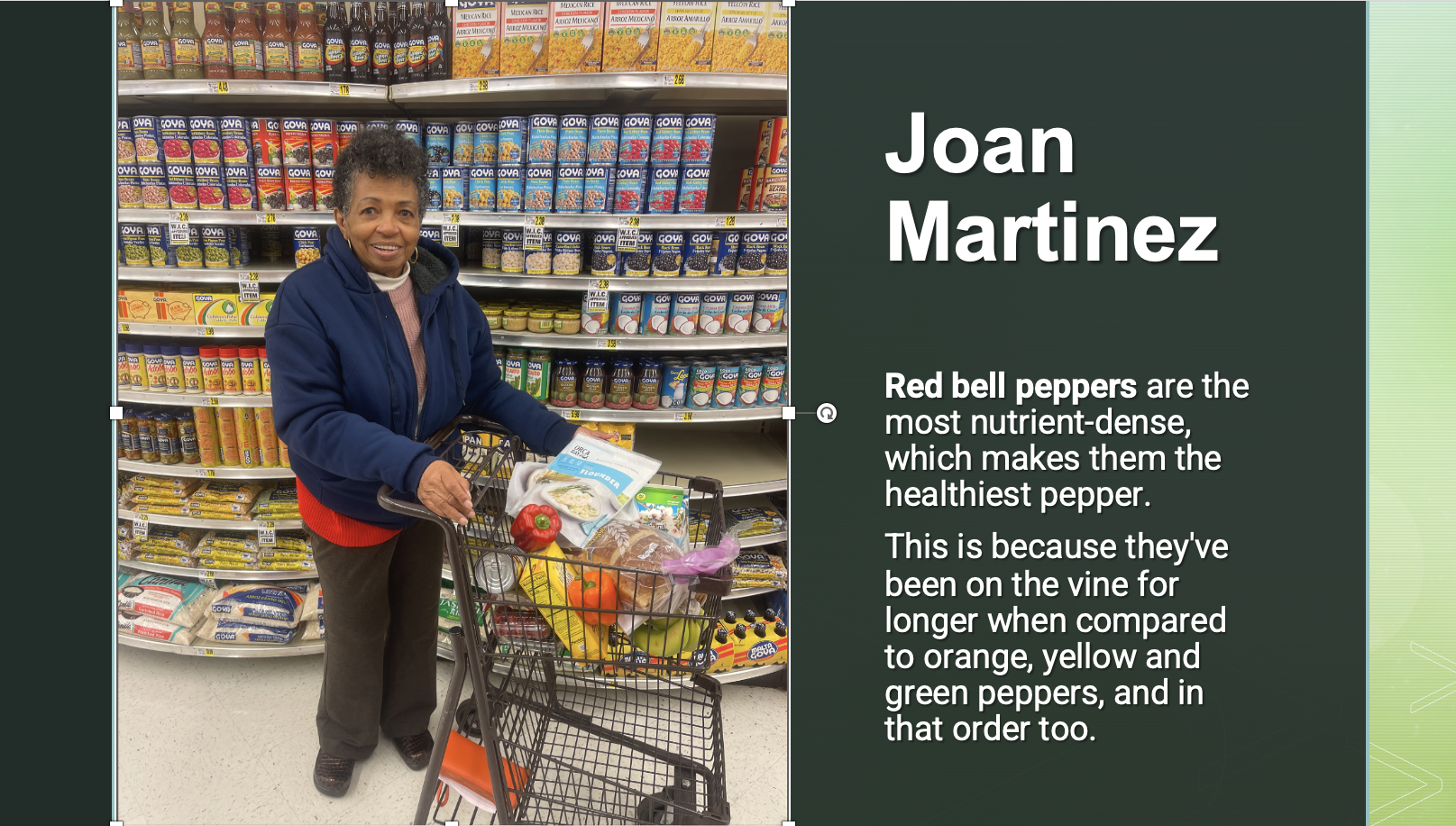
We deliver monthly supplemental food bags with an emphasis on fresh, immunity-building items, as well as on personal and cultural preferences and dietary needs based on health issues.


Advocacy
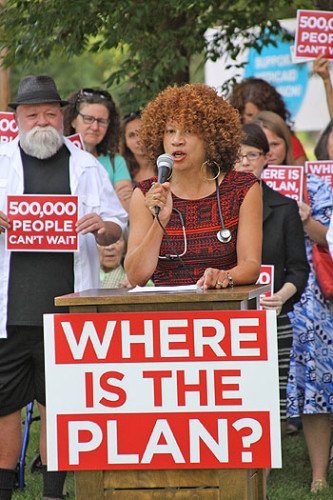
We view healthcare and wellness with a social determinants of health lens, an equity/inclusion lens, with the key goal of building awareness and understanding among the populations impacted and supporting them in advocating for changes and remedies.
Conditions in the places where people live, learn, work, play, and worship affect a wide range of health risks and outcomes, such as chronic heart disease, infant mortality, decreased life expectancy. These conditions—the long-standing systemic and social inequities—have put many people from racial and ethnic and low-wealth groups at disproportionally increased risk for years, with getting sick or dying from COVID-19 as just the latest disparity on the list.
Providing scaffolding for people in meeting daily needs, gaining educational and income opportunities, accessing healthful foods and services, and reducing exposure to crime, violence, and social disorder, such as the presence of trash or toxins, can go far in helping improve overall health and well-being for everyone.